Sealing your driveway, patio, walkway, or pool deck is one of the most effective ways to protect your concrete from stains, moisture damage, freeze–thaw cycles, and Kansas City’s unpredictable weather. But to ensure the sealer performs properly and lasts for years, the concrete must be prepared the right way.
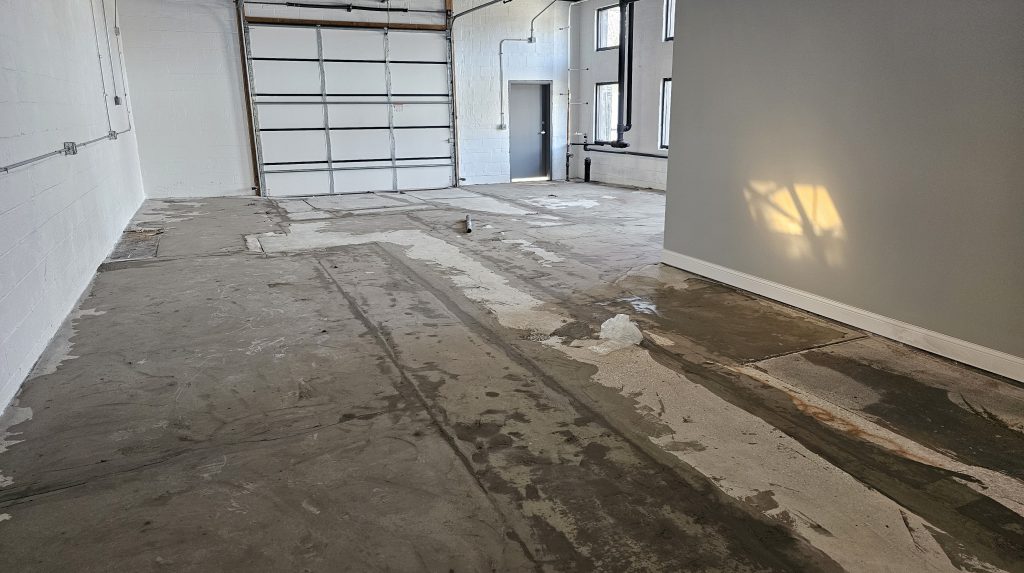
Skipping or rushing the prep process is one of the biggest reasons sealers fail, peel, or wear out prematurely. At High Stakes Epoxy LLC, we follow a detailed, professional preparation system to guarantee long-term, beautiful results.
To help homeowners understand what’s involved, here is a complete concrete sealing preparation checklist—perfect for planning your next exterior maintenance project.
⭐ 1. Inspect the Concrete Surface for Damage
Before sealing, thoroughly examine your concrete to identify any structural or cosmetic issues.
Look for:
✔ Cracks (hairline or larger)
✔ Pitting or spalling
✔ Discoloration
✔ Oil or rust stains
✔ Scaling or chipping
✔ Moisture pooling
Any damage must be repaired before sealing to ensure a smooth finish and long-lasting protection.
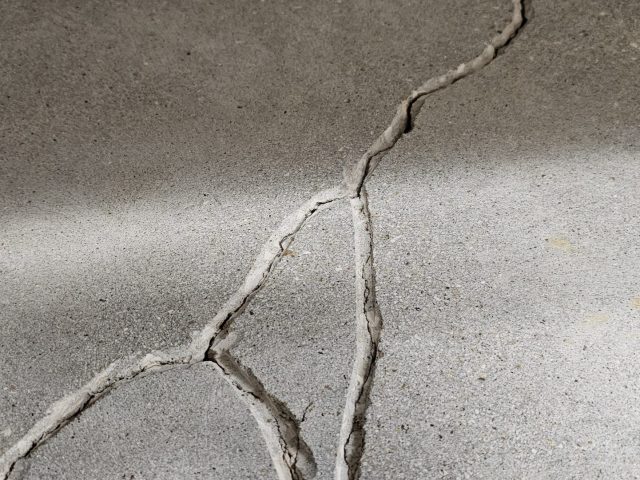
⭐ 2. Repair Cracks and Surface Damage
Sealing over cracks only traps moisture and leads to bigger repairs down the road.
Proper crack repair includes:
✔ Cleaning out debris
✔ Routing or widening small cracks
✔ Filling with polyurea, epoxy, or concrete patch
✔ Allowing proper curing time
This step ensures the slab is structurally sound before sealing.
⭐ 3. Remove All Dirt, Debris, and Organic Growth
Kansas City’s weather encourages algae, mildew, and dirt buildup on exterior concrete—especially in shaded or moist areas.
A thorough cleaning removes:
- Dirt and dust
- Leaves and organic stains
- Mold and mildew
- Pollen and grime
This creates a clean foundation for the sealer to bond effectively.
⭐ 4. Degrease Oil-Spotted Driveways
Driveways frequently absorb:
- Motor oil
- Transmission fluid
- Tire marks
- Rust stains
These contaminants must be removed with a commercial degreaser or stain treatment before sealing.
Oil left behind will prevent the sealer from bonding properly.
⭐ 5. Pressure Wash the Entire Surface
After stain removal, the concrete needs a deep cleaning.
Pressure washing helps:
✔ Remove residue
✔ Open up pores in the concrete
✔ Wash away loose debris
✔ Prepare the slab for sealer penetration
Professional-grade pressure washing is ideal, as consumer units often lack sufficient power.
⭐ 6. Allow Concrete to Dry Completely
Moisture trapped in the slab is a leading cause of sealer failure.
Ensure:
✔ At least 24–48 hours of dry weather
✔ No standing water
✔ Adequate sunlight if possible
Concrete must be fully dry for maximum sealer absorption and adhesion.
⭐ 7. Remove Old Sealer if Necessary
If your concrete has a worn or failing sealer, it must be removed before applying a new one.
Signs of old sealer:
- Peeling
- Flaking
- Uneven sheen
- Cloudy or milky appearance
Removing old sealer ensures the new coating bonds smoothly and evenly.
⭐ 8. Test for Moisture Issues
Kansas City’s humidity and soil conditions often cause moisture migration through concrete slabs.
Moisture testing checks for:
✔ Vapor emissions
✔ Excess absorption
✔ Water intrusion
If moisture issues exist, a breathable sealer or additional prep may be required.
⭐ 9. Mask and Protect Surrounding Areas
Before applying sealer, protect:
- Landscaping
- Siding
- Stairs
- Garage doors
- Windows
- Outdoor furniture
This prevents overspray and ensures clean, sharp edges.
⭐ 10. Choose the Right Sealer for Kansas City Weather
Missouri’s climate requires durable, high-quality sealers that resist moisture and UV exposure.
Common options:
Penetrating Sealers
- Ideal for driveways and walkways
- Excellent moisture resistance
- Natural, matte finish
Acrylic Sealers
- Enhances color
- Offers satin to glossy finish
- Great for patios and decorative concrete
Urethane or Polyaspartic Sealers
- High durability
- Superior chemical resistance
- Premium option for high-traffic areas
High Stakes Epoxy LLC helps homeowners select the right sealer for their concrete and lifestyle.
⭐ 11. Ensure Proper Weather Conditions for Sealing
Successful sealing requires careful timing.
Ideal conditions include:
✔ Temperatures between 50°F–85°F
✔ Low humidity
✔ No rain for 24–48 hours
✔ Dry surface and surroundings
Kansas City’s spring and fall months often provide the best sealing conditions.
⭐ 12. Apply Sealer Evenly and Correctly
Proper application is critical for long-lasting results.
Best practices include:
- Applying thin, even coats
- Avoiding puddling or heavy spots
- Allowing proper drying time
- Using professional sprayers or rollers
- Adding slip-resistant additives if needed
Uneven sealing can lead to shiny patches, peeling, or premature wear.
⭐ 13. Allow Proper Curing Time
Even after the surface feels dry, the sealer still needs time to cure.
Avoid:
❌ Vehicle traffic for 48–72 hours
❌ Heavy foot traffic for 24 hours
❌ Placing furniture immediately
❌ Washing the surface for at least one week
Proper curing ensures maximum durability and protection.
⭐ Why Kansas City Homeowners Trust High Stakes Epoxy LLC
We follow a proven, professional-grade preparation process to guarantee the highest-quality sealing results.
With us, you get:
✔ Thorough inspection and crack repair
✔ Commercial-grade degreasing and pressure washing
✔ Climate-specific sealers
✔ Slip-resistant options
✔ Long-lasting protection
✔ Beautiful, clean finishes
Your concrete doesn’t just get sealed—it gets restored, strengthened, and protected for years.
⭐ Get Your Concrete Ready for Long-Lasting Protection
If you’re planning to seal your driveway, patio, or walkway, start with proper preparation.
📞 Contact High Stakes Epoxy LLC today for a free concrete evaluation and sealing quote!
Let’s prepare your surface and protect your Kansas City home the right way.