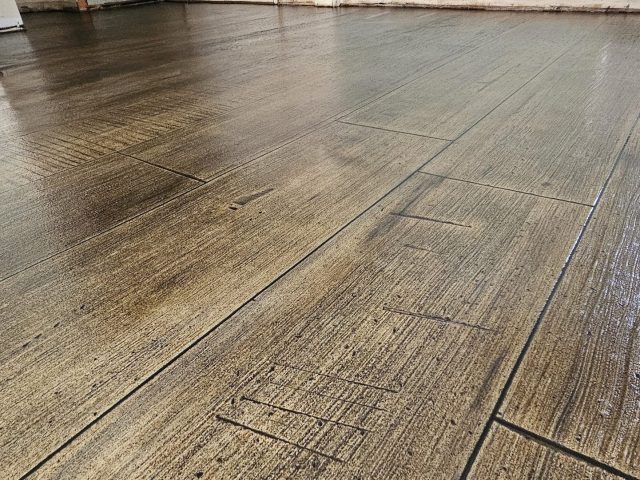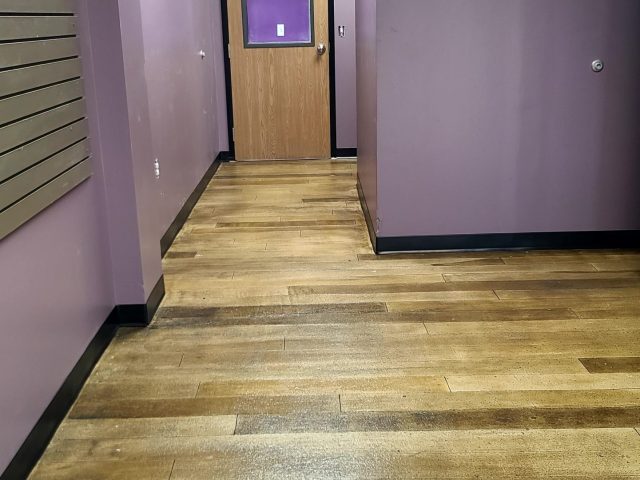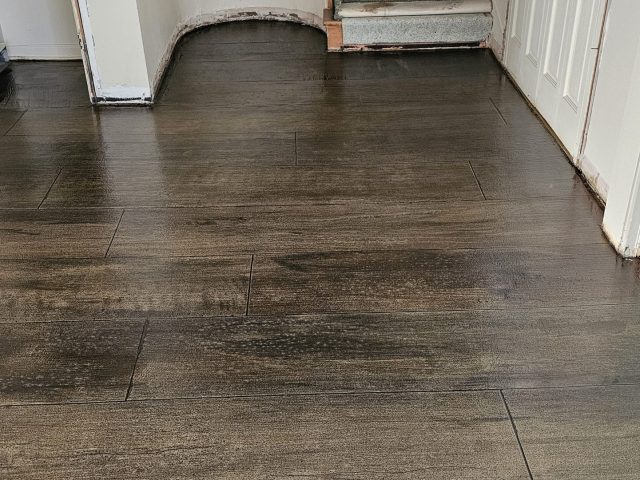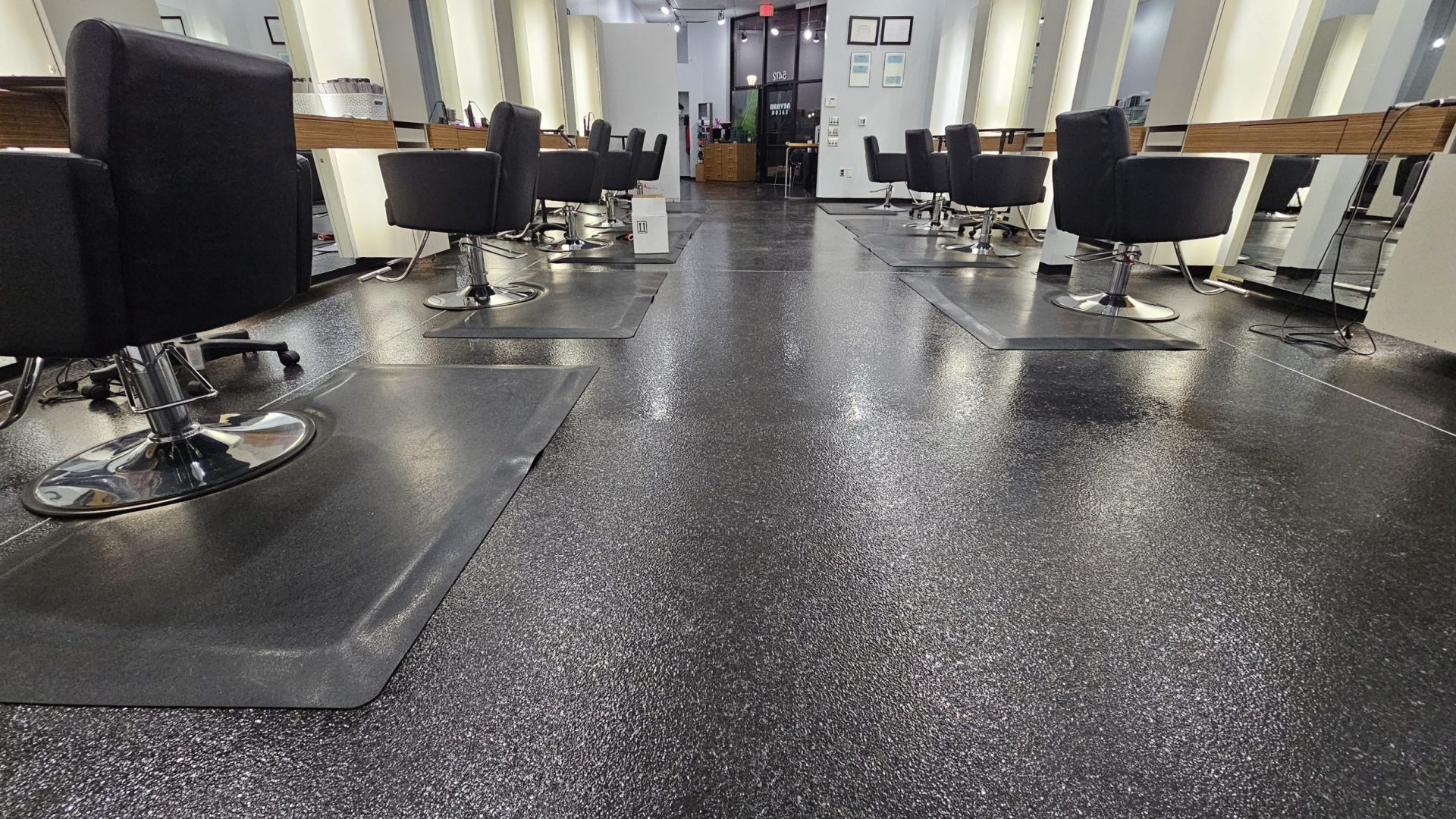
When concrete looks bad, the instinct is to tear it out and pour new — but that is often the most expensive and disruptive route. In many cases a concrete overlay restores the surface for a fraction of the cost. The right choice depends entirely on the condition of the existing slab. Here is how to decide, from the High Stakes Epoxy team in Kansas City.
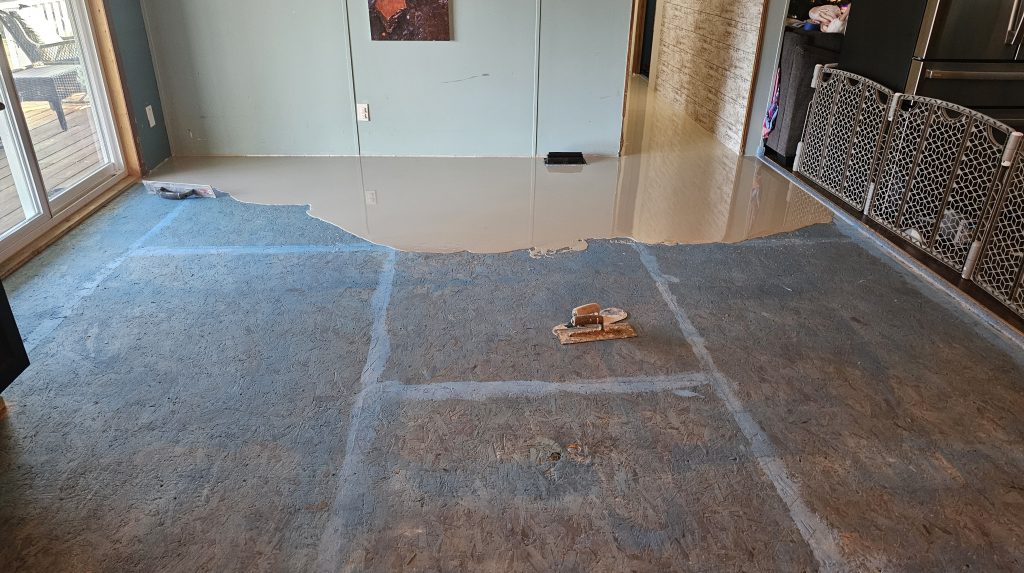
The deciding question is structural: is the slab sound, or is it failing?
The Decision in One Table
| Slab Condition | Recommended Option |
|---|---|
| Cosmetically worn, structurally sound | Overlay |
| Minor surface cracks | Overlay (with crack treatment) |
| Heaving, sinking, or major structural cracks | Replacement |
| Severe spalling throughout | Replacement or removal first |
Cost and Timeline
An overlay is faster and cheaper: less labor, no demolition, no disposal, and a shorter timeline. Replacement involves tear-out, hauling, new pour, and cure time before use. For sound slabs, the overlay wins on every practical metric.
When Replacement Is the Right Call
If the concrete is structurally compromised — heaving from soil movement, deep cracks, or failing sub-base — an overlay will only mask a problem that returns. In those cases, concrete prep and removal followed by a new pour is the durable solution.
Durability of Each
A properly installed overlay on a sound slab can last 10 to 20 years. New concrete lasts decades, but only the replacement addresses underlying structural issues — which is the entire point of choosing it.
Frequently Asked Questions
Can I overlay cracked concrete?
Minor cracks can be treated and overlaid. Active structural cracks signal that replacement is the better option.
Which is faster?
An overlay — there is no demolition or long cure for a new slab.
How do I know which I need?
An on-site assessment determines whether the slab is sound. High Stakes Epoxy evaluates it before recommending a path.
See more of our work on the High Stakes Epoxy website.