It is one of the most common questions about resurfacing: can a concrete overlay cover cracks? The answer is yes — but with an important caveat. Overlays can hide and bridge minor cracks beautifully, but they cannot fix the underlying cause of a moving or structural crack. Knowing the difference saves you from a finish that cracks again. Here is the straight answer from High Stakes Epoxy.
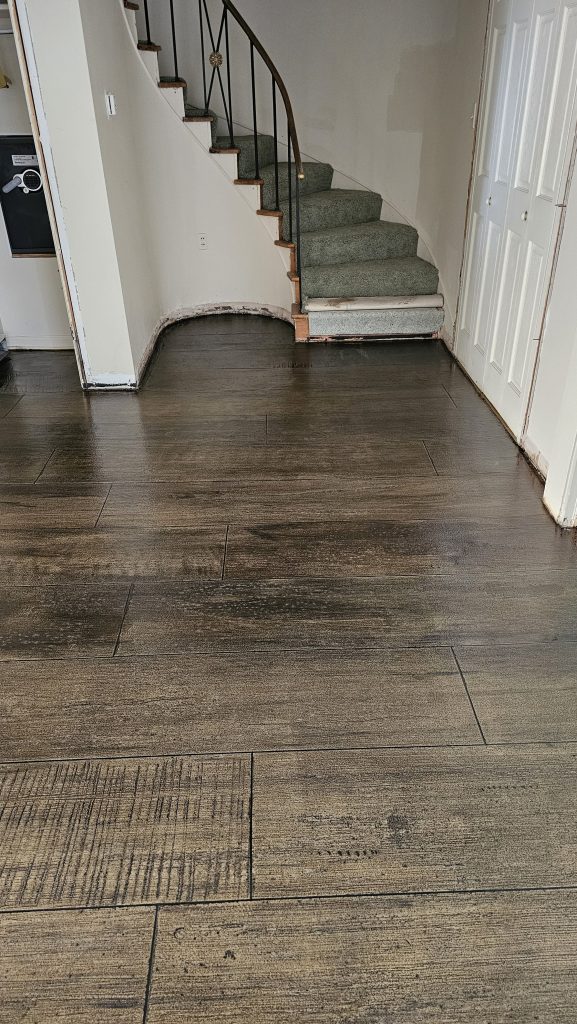
The key distinction is between cosmetic cracks and active, moving cracks.
Cracks an Overlay Can Cover
| Crack Type | Overlay Solution |
|---|---|
| Hairline surface cracks | Bridged by the overlay layer |
| Minor, stable cracks | Filled and treated, then overlaid |
| Surface spalling / pitting | Filled and resurfaced |
Cracks That Signal a Bigger Problem
Wide, growing, or offset cracks — where one side sits higher than the other — usually indicate movement or sub-base failure. An overlay placed over a moving crack will eventually telegraph and reopen. These need structural repair or removal and replacement first.
How Pros Prevent Cracks Returning
Proper surface preparation, crack chasing and filling, bonding agents, and the right overlay thickness all reduce the chance of reflective cracking. For exterior slabs, honoring existing control joints in the overlay is essential.
The Bottom Line
Overlays are excellent for cosmetic and minor cracking on a sound slab. For active structural movement, address the cause first — otherwise you are decorating a problem that will return.
Frequently Asked Questions
Will the crack come back through the overlay?
Only if it is an active, moving crack. Stable cracks that are properly treated stay covered.
How do I know if my crack is structural?
Width, growth over time, and vertical offset are warning signs. An assessment confirms it.
Can you guarantee a crack won’t reappear?
No honest contractor guarantees that over active movement, which is why we assess the cause before overlaying.
See more of our work on the High Stakes Epoxy website.