Flake epoxy flooring is one of the most reliable and attractive solutions for Kansas City commercial spaces, from warehouses and manufacturing plants to retail stores, auto shops, and commercial kitchens. But achieving a long-lasting, high-performing floor depends heavily on correct installation.
When epoxy systems fail, it’s almost always due to mistakes made before or during installation—not the product itself. At High Stakes Epoxy LLC, we’ve repaired countless commercial floors where shortcuts or improper techniques caused premature peeling, discoloration, or system breakdown.
To help business owners make informed decisions, here are the most common flake epoxy pitfalls to avoid in commercial projects—and how to ensure they never happen in your facility.
⭐ 1. Poor or Incomplete Concrete Surface Preparation
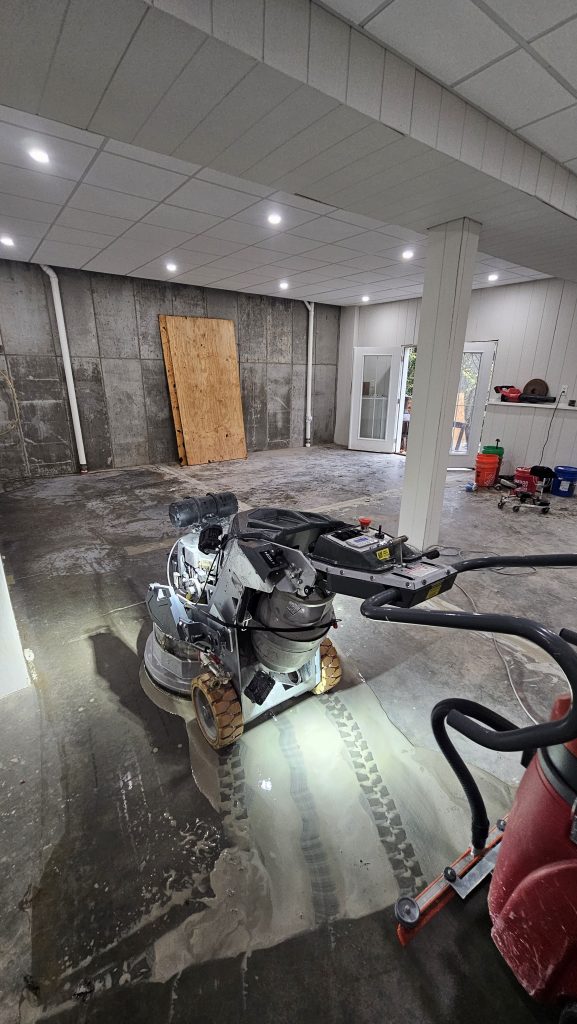
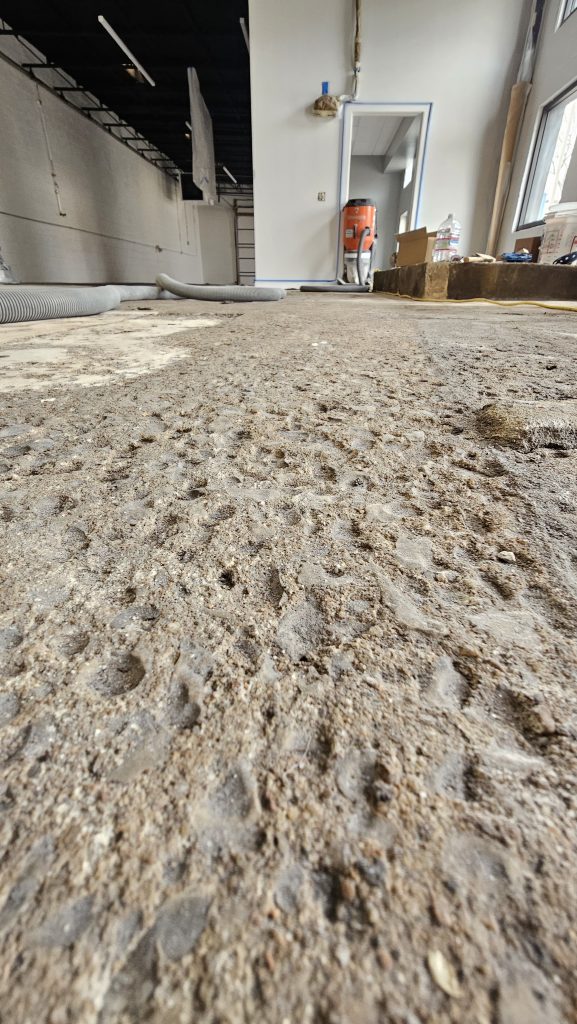
Concrete prep is the foundation of every successful epoxy floor. If this step is rushed or skipped, even the highest-quality materials will fail.
Common prep mistakes include:
- Not grinding the concrete
- Inadequate removal of oils, stains, or contaminants
- Leaving paint or old coatings on the slab
- Failing to repair cracks, pits, or spalling
- Uneven surface profiling
Result:
Peeling, bubbling, delamination, and weak adhesion.
Solution:
Always use mechanical diamond grinding and proper repair techniques—non-negotiable for commercial durability.
⭐ 2. Ignoring Moisture Issues in the Concrete
Kansas City’s climate can cause moisture vapor to push through the slab, especially in older buildings.
Signs of moisture issues:
- Dark concrete patches
- Efflorescence (white residue)
- Bubbles or blisters in existing coatings
- Damp odors
If moisture is ignored, the epoxy will almost certainly fail.
Solution:
Perform moisture testing (RH or calcium chloride tests) and apply moisture-resistant primers when needed.
⭐ 3. Using Low-Quality or DIY Epoxy Materials
Commercial spaces require industrial-grade coatings—not big-box store DIY kits.
Problems with low-grade epoxies:
- Soft surface that scratches easily
- Poor chemical resistance
- Yellowing under UV exposure
- Short lifespan
- Inadequate bonding strength
Solution:
Use professional-grade epoxy and polyaspartic systems designed for industrial environments.
⭐ 4. Incorrect Flake Broadcast Application
A proper flake system requires a full broadcast, meaning flakes cover the entire floor until rejection.
Common mistakes:
- Uneven flake coverage
- Sparse areas exposing the basecoat
- Patches of inconsistent texture
- Poor color blending
Solution:
Hire installers trained in uniform broadcasting to achieve a seamless, slip-resistant finish.
⭐ 5. Rushing the Curing Process
Commercial projects often run on tight schedules, but rushing epoxy curing can ruin the entire installation.
Risks of premature use:
- Tire impressions
- Smudging or dents
- Weak topcoat performance
- Texture distortion
Solution:
Respect proper cure times:
- Light foot traffic: 12–24 hours
- Heavy traffic: 48–72 hours
- Full chemical resistance: 5–7 days
⭐ 6. Applying Coatings in the Wrong Environment
Temperature and humidity directly affect epoxy chemistry.
What can go wrong:
- Slow or incomplete curing
- Surface blush (waxy film)
- Bubbling
- Thick or uneven texture
Solution:
Maintain controlled conditions during installation:
- Correct temperature range
- Stable humidity
- Adequate ventilation
- No nearby water leaks or vapor issues
⭐ 7. Skipping Crack and Surface Repairs
Epoxy is durable, but it cannot hide structural concrete issues. Cracks expand over time, creating visible defects in the coating.
Mistakes include:
- Filling cracks with the wrong material
- Leaving expansion joints unaddressed
- Ignoring surface spalling
Solution:
Proper concrete repair using flexible epoxy fillers and patching compounds.
⭐ 8. Inadequate Topcoat Application
The polyaspartic topcoat is critical—it provides UV stability, wear protection, and chemical resistance.
Common topcoat errors:
- Applying too thin
- Leaving dry spots
- Not using UV-stable products
- Skipping topcoat completely
Solution:
Use professional-grade polyaspartic with even application and adequate thickness.
⭐ 9. Not Planning for Traffic Flow During Installation
Commercial facilities often remain partially operational, but poor traffic management can damage a curing floor.
Mistakes include:
- Employees walking across wet areas
- Forklifts entering too early
- Dust from operations contaminating the surface
Solution:
Create a clear installation schedule and protect the work zone.
⭐ 10. Hiring an Inexperienced or Unqualified Contractor
Most epoxy failures trace back to improper installation. Hiring the wrong contractor is the biggest pitfall of all.
Red flags include:
- No concrete grinding
- No moisture test
- No written warranty
- Using DIY materials
- Poor communication
- Unrealistically low bids
Solution:
Choose a contractor with proven experience in Kansas City commercial epoxy systems, like High Stakes Epoxy LLC.
⭐ Why Kansas City Businesses Trust High Stakes Epoxy LLC
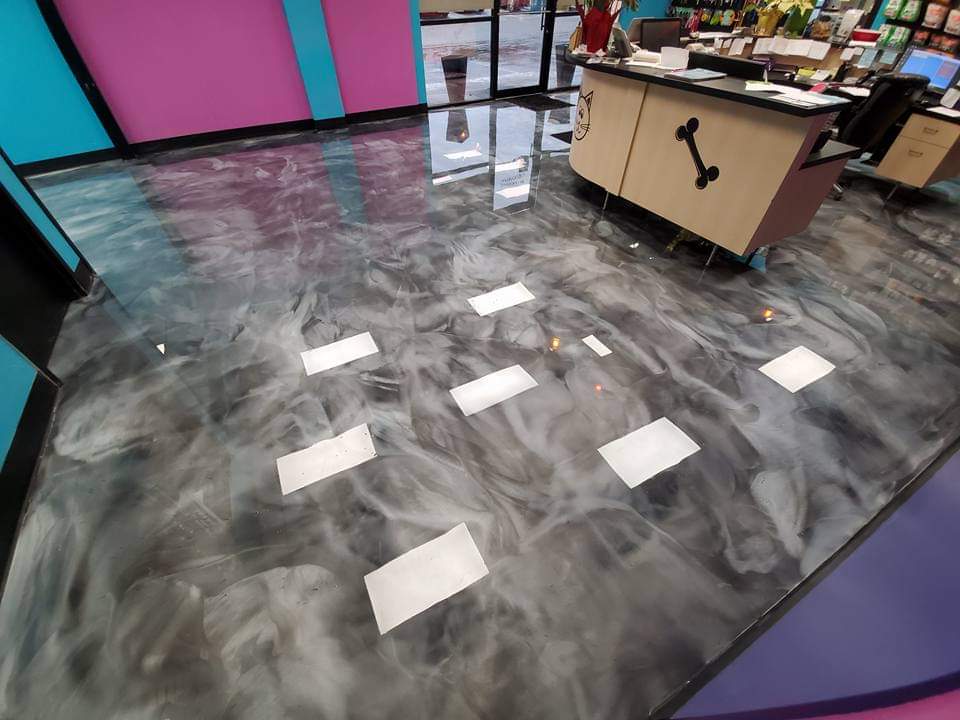
We deliver flooring systems engineered for heavy commercial use. When you choose us, you get:
✔ Proper mechanical prep
✔ Moisture analysis and mitigation
✔ Industrial-grade epoxy and polyaspartic coatings
✔ Slip-resistant, full-broadcast flake coverage
✔ UV-stable, long-lasting finishes
✔ Professional installation with minimal downtime
✔ Floors designed to last 10–20+ years
We protect your investment by doing every step the right way.
⭐ Protect Your Project—Choose the Right Epoxy Partner
Avoiding these common pitfalls ensures your commercial flake epoxy flooring performs flawlessly for years.
📞 Contact High Stakes Epoxy LLC today for a commercial flooring consultation in Kansas City!
Let’s build a floor that’s durable, safe, and truly built to last.