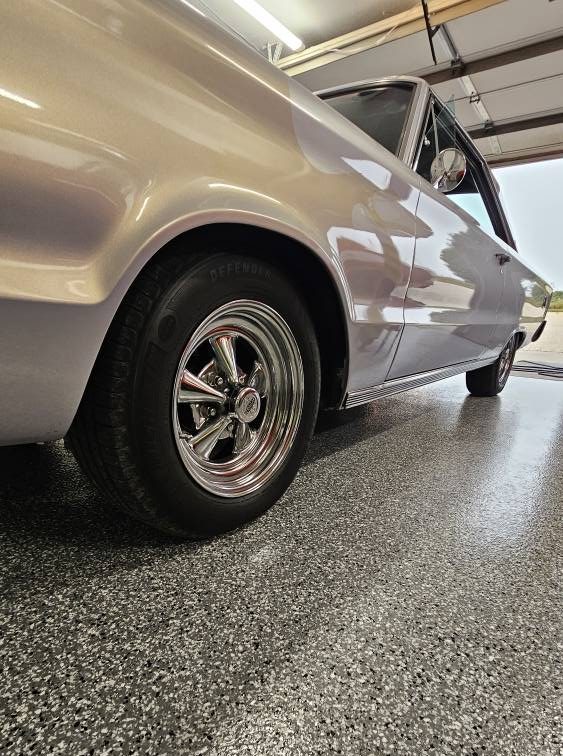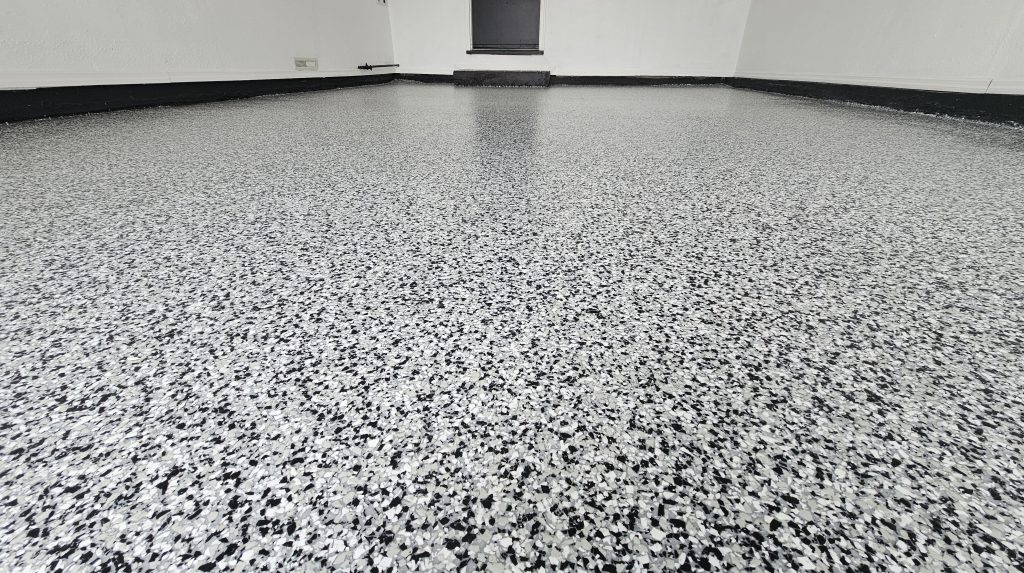
A flawless flake epoxy floor starts long before the first layer of coating is applied. The single most important factor in a long-lasting epoxy installation is proper surface preparation. Even the strongest epoxy system will fail—peel, bubble, or delaminate—if the concrete wasn’t prepared correctly.
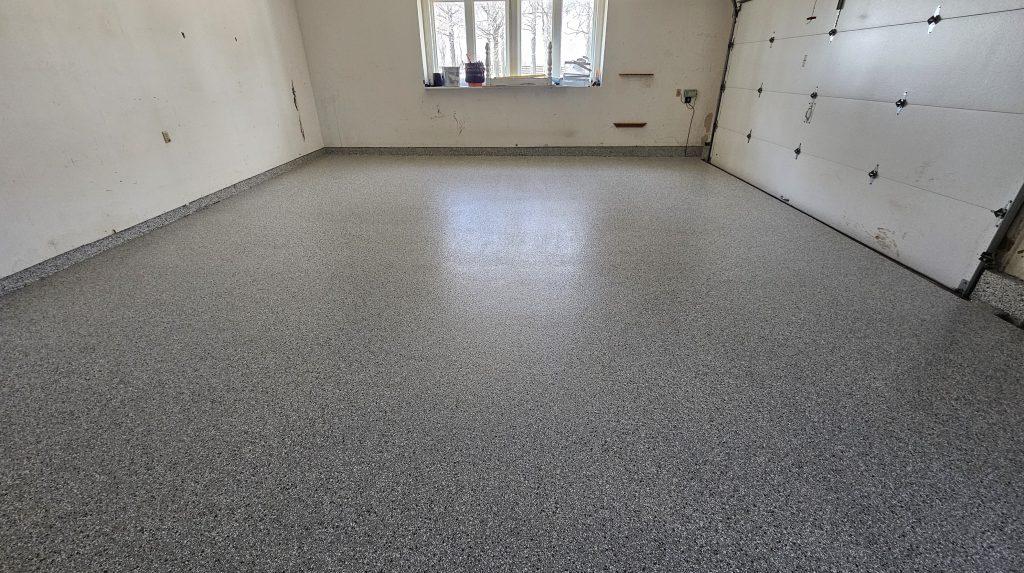
At High Stakes Epoxy LLC, we follow a detailed preparation process to ensure every epoxy floor in Kansas City adheres permanently and performs for years. Whether you’re a homeowner researching epoxy or simply want to understand what a professional contractor should be doing, this Concrete Prep Checklist explains exactly how to get your slab ready for a successful flake epoxy installation.
⭐ 1. Inspect the Concrete Surface
Before any prep work begins, evaluate your slab for:
- Cracks
- Pitting or spalling
- Moisture issues
- Previous coatings or paint
- Oil or chemical stains
- Surface unevenness
This initial inspection determines what repairs and treatments are needed.
⭐ 2. Test for Moisture Levels
Kansas City’s humidity and seasonal temperature shifts can cause moisture vapor to push through concrete. Moisture is one of the top causes of epoxy failure.
Professionals should perform:
- A relative humidity (RH) test
- A calcium chloride test
- Visual inspection for efflorescence or dark patches
If moisture is present, a moisture-mitigating primer may be required.
⭐ 3. Clear the Area Completely
Before grinding begins:
- Remove all furniture, tools, appliances, and vehicles
- Sweep debris
- Cover adjacent walls or sensitive areas
- Seal off rooms if indoors
Proper preparation ensures clean, efficient grinding and minimizes airborne dust.
⭐ 4. Repair Cracks, Holes, and Surface Imperfections
A clean epoxy finish requires a smooth, repaired slab.
Repairs may include:
- Crack chasing
- Filling cracks with flexible epoxy filler
- Repairing deep pits or spalling
- Leveling divots and uneven areas
Flake epoxy hides minor imperfections, but structural flaws must be fixed first.
⭐ 5. Remove Old Coatings or Sealers
Existing materials can prevent epoxy from bonding.
Professionals should remove:
- Paint
- Sealers
- Acrylic coatings
- Peeling epoxy
- Adhesive residues
These must be mechanically removed—not chemically stripped—to prevent contamination.
⭐ 6. Degrease Oil and Chemical Stains
Garages and basements often contain oil or chemical spots.
Steps include:
- Applying degreaser
- Scrubbing the contaminated areas
- Rinsing thoroughly
- Ensuring no residue remains
Epoxy cannot bond to oil; even small amounts can cause peeling or fish-eyes.
⭐ 7. Mechanical Grinding (The Most Critical Step)
Proper epoxy installation requires diamond grinding using industrial-grade equipment to open the concrete pores and remove surface contamination.
Grinding creates a CSP (Concrete Surface Profile) suitable for strong epoxy adhesion.
Professionals should:
- Use walk-behind and edge grinders
- Connect grinders to HEPA-filtered vacuums
- Ensure uniform grinding across the entire floor
This step differentiates professional-grade installations from DIY kits.
⭐ 8. Vacuum and Dust Removal
After grinding, the entire floor must be thoroughly cleaned.
Checklist includes:
- Industrial vacuuming
- Removing dust from cracks and corners
- Ensuring a clean, dust-free surface before priming
Any leftover dust can weaken adhesion and affect the finish.
⭐ 9. Apply Moisture Barrier or Primer (If Needed)
Based on moisture testing, your contractor may apply:
- A moisture-mitigating primer
- A penetrating primer for better adhesion
- A basecoat designed to stabilize weak or aged concrete
This step provides extra insurance for long-term performance.
⭐ 10. Final Surface Cleaning Before Epoxy Installation
Just before the basecoat is applied, professionals should:
- Re-inspect the slab
- Wipe down areas if needed
- Ensure the concrete is dry and contaminant-free
The floor must be pristine prior to coating.
⭐ 11. Confirm Temperature and Humidity Conditions
Epoxy and polyaspartic coatings require controlled conditions for proper curing.
Checklist for Kansas City installations:
- Temperature between 55–90°F (depending on product)
- Stable humidity levels
- No water leaks or open windows
- Floors and air free from condensation
Environmental control ensures a smooth, even cure.
⭐ Why Professional Prep Matters for Kansas City Homes
DIY prep shortcuts lead to:
- Peeling epoxy
- Bubbles and blisters
- Poor flake adhesion
- Uneven color or texture
- Reduced durability
Professional prep ensures your flake epoxy floor lasts 10–20+ years without issues.
⭐ Why Kansas City Homeowners Trust High Stakes Epoxy LLC
We take preparation seriously—because it’s the foundation of every great epoxy floor. When you choose us, you get:
✔ Industrial diamond grinding
✔ Full concrete repairs
✔ Moisture testing & mitigation
✔ Oil and stain removal
✔ Seamless prep from edges to corners
✔ High-performance epoxy and polyaspartic systems
✔ Floors built for long-term durability
We don’t just install epoxy—we prepare your concrete the right way.
⭐ Ready for a Flawless Flake Epoxy Installation?
If you’re planning to upgrade your Kansas City home with a beautiful, durable flake epoxy floor, start with proper preparation.
📞 Contact High Stakes Epoxy LLC today for a free estimate!
Let’s transform your concrete with a flooring system built to last.