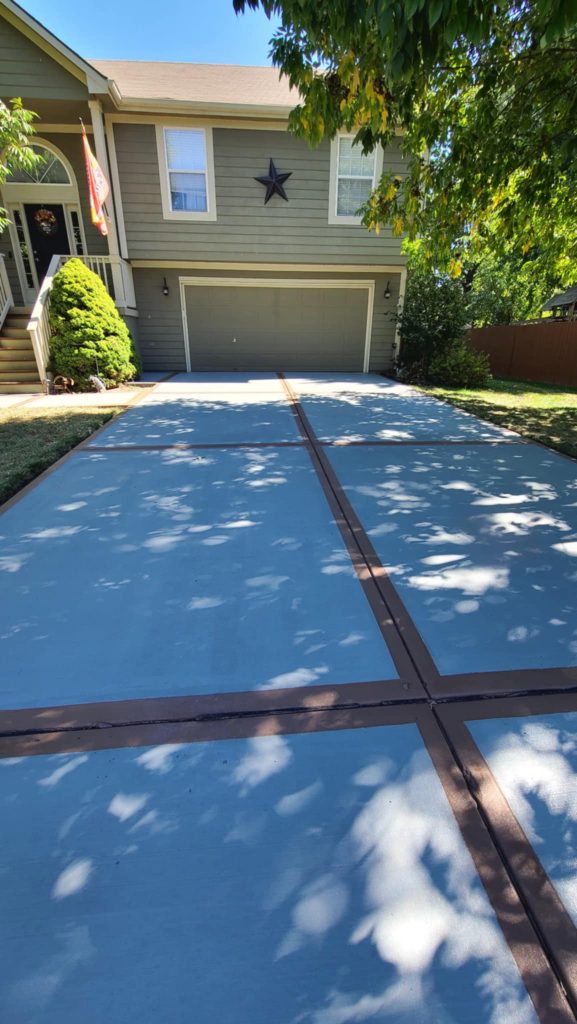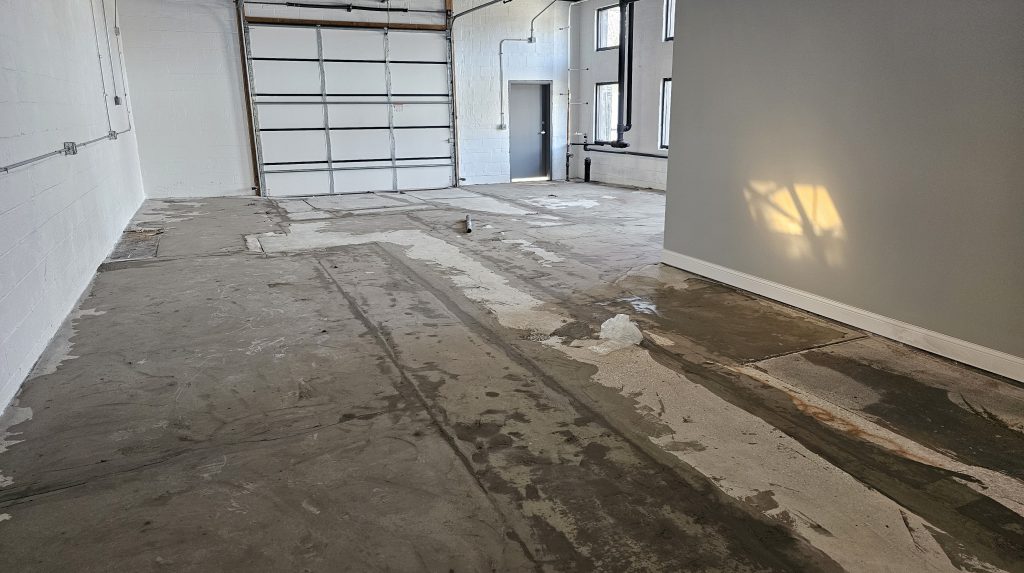
Exterior concrete—whether it’s your driveway, patio, walkway, pool deck, or porch—faces constant exposure to weather, moisture, foot traffic, and natural ground movement. Over time, this leads to cracking, which is one of the most common issues homeowners in Cleveland, MO encounter.
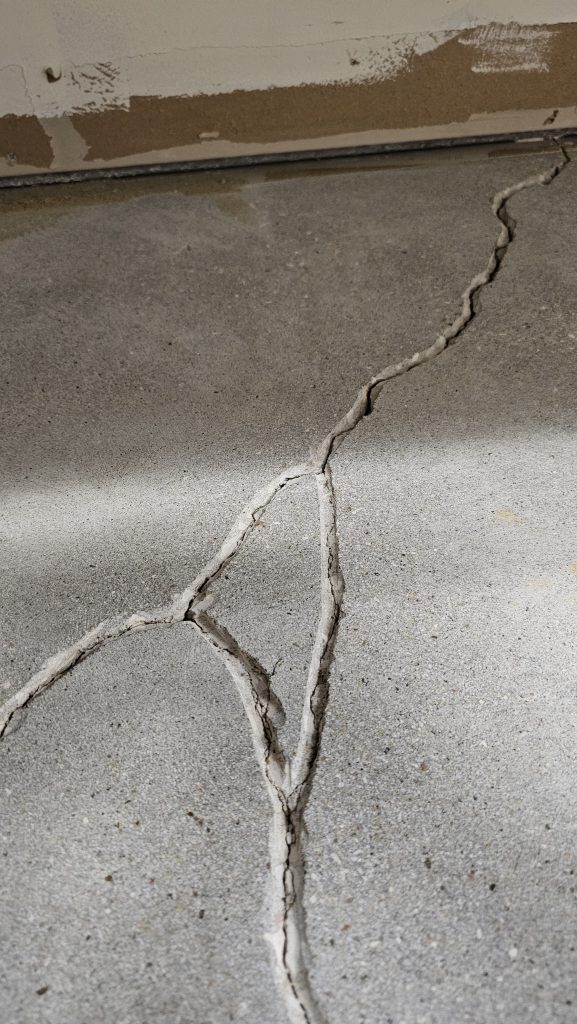
Before sealing or resurfacing your concrete, repairing those cracks is absolutely essential. Sealing over damaged concrete may temporarily improve appearance, but it does nothing to address the underlying issue—and often leads to early failure of the sealer.
At High Stakes Epoxy LLC, we help homeowners restore and protect their exterior concrete the right way. Here’s why crack repair matters and how it ensures long-term durability for your outdoor surfaces.
⭐ 1. Why Cracks Must Be Repaired Before Sealing
Sealers are designed to protect concrete, not fill or repair structural damage. If cracks are ignored, sealing will only mask the problem—not fix it.
By repairing cracks first, you:
✔ Prevent water from penetrating the slab
✔ Reduce freeze–thaw damage
✔ Stop cracks from spreading
✔ Improve sealer adhesion
✔ Extend the lifespan of the concrete
✔ Achieve a cleaner, smoother finish
Cracks act like open doors for moisture. Repairing them strengthens the slab and ensures the sealant can perform properly.
⭐ 2. Common Causes of Concrete Cracks in Cleveland, MO
Missouri’s climate has a direct impact on concrete durability. Local factors include:
A. Freeze–Thaw Cycles
Water seeps into cracks, freezes, expands, and makes the crack bigger.
B. Ground Movement
Soil shifts and settling cause stress on the slab.
C. Temperature Fluctuations
Hot summers + cold winters = expansion and contraction.
D. Heavy Loads
Vehicles and outdoor furniture can create stress fractures over time.
E. Moisture Intrusion
Drainage issues cause moisture pressure under the slab.
Understanding the cause helps determine the appropriate repair method.
⭐ 3. Types of Concrete Cracks You May See
Hairline Cracks
Small surface cracks caused by shrinkage or minor movement.
Surface Cracks
Visible cracks caused by wear, UV exposure, or minor settling.
Structural Cracks
Wider cracks caused by heavy loads, significant settling, or moisture pressure.
Spiderweb / Crazing Cracks
Fine network of cracks caused during curing.
Each type requires a different repair approach.
⭐ 4. What Happens If You Seal Concrete Without Repairing Cracks?
Skipping crack repair leads to:
❌ Moisture penetration
❌ Expansion and worsening cracks
❌ Peeling or flaking sealer
❌ Stains collecting in damaged areas
❌ Reduced freeze–thaw resistance
❌ Poor appearance and inconsistent coverage
The longevity of your sealer—and your concrete—depends on proper crack repair.
⭐ 5. Professional Crack Repair Methods Used in Cleveland, MO
At High Stakes Epoxy LLC, we use methods tailored to the type and severity of cracking:
A. Crack Routing & Filling
Widening hairline cracks slightly so filler can bond properly.
B. Polyurethane or Polyurea Injection
Ideal for deeper cracks; flexible fillers move with the concrete.
C. Epoxy Injection
For structural cracks that require strong bonding.
D. Concrete Patch & Resurfacing
Used when cracks accompany surface deterioration.
E. Joint Resealing
Restoring expansion joints to prevent future cracking.
Our repairs are designed to restore structural integrity before the sealing process begins.
⭐ 6. After Crack Repair: Preparing Concrete for Sealing
To ensure proper adhesion, concrete must be thoroughly prepped.
Steps include:
✔ Pressure washing
✔ Degreasing
✔ Removing old sealant
✔ Ensuring all cracks are fully cured
✔ Allowing the concrete to dry completely
✔ Applying high-quality penetrating or acrylic sealer
This preparation ensures the sealer bonds correctly and provides maximum protection.
⭐ 7. Benefits of Sealing After Proper Crack Repair
Once cracks are repaired and the surface is prepped, sealing offers huge benefits:
✔ Protects against water absorption
✔ Prevents future cracking
✔ Improves stain resistance
✔ Enhances curb appeal
✔ Reduces freeze–thaw damage
✔ Extends the life of the slab
✔ Makes cleaning much easier
Together, crack repair + sealing provide long-lasting concrete protection.
⭐ 8. How Often Should You Inspect and Repair Concrete Cracks?
Kansas City and Cleveland MO homeowners should inspect their exterior concrete:
- Every spring (after freeze–thaw season)
- Every fall (before winter begins)
Small cracks caught early are much cheaper and easier to repair.
⭐ 9. Why Professional Crack Repair Matters More Than DIY
DIY crack fillers often fail because:
❌ They don’t bond deeply
❌ Many products shrink or crack again
❌ They don’t match the concrete texture
❌ They’re not flexible enough for Missouri’s climate
❌ DIY tools don’t clean or prep cracks properly
Professional repair ensures strong adhesion and long-term performance.
⭐ 10. Why Cleveland, MO Homeowners Trust High Stakes Epoxy LLC
We provide high-quality concrete repair and sealing designed for Missouri’s climate conditions.
With us, you get:
✔ Expert crack assessment
✔ Commercial-grade fillers and injections
✔ Proper surface prep
✔ High-performance sealers
✔ UV-resistant and moisture-blocking formulas
✔ Long-lasting results that protect your investment
Your patio, driveway, or walkway will look better, last longer, and stay protected year-round.
⭐ Repair Your Concrete the Right Way—Before You Seal
If your exterior concrete has cracks—big or small—now is the time to fix them before sealing.
📞 Contact High Stakes Epoxy LLC today for a free concrete inspection and repair quote!
Let’s restore and protect your Cleveland, MO concrete properly.