If you’re considering epoxy flooring for your home or business, you’ve likely come across two popular options: metallic epoxy and standard epoxy (often referred to as solid-color epoxy or flake epoxy). While both systems provide durability, seamless installation, and long-term performance, they differ greatly in appearance, cost, installation style, and ideal use cases.
At High Stakes Epoxy LLC, we help homeowners and businesses choose the perfect epoxy flooring system based on their goals, aesthetic preferences, and space requirements. This guide breaks down the key differences between metallic epoxy and standard epoxy so you can make the right decision for your project.
⭐ 1. Appearance: Artistic vs. Functional
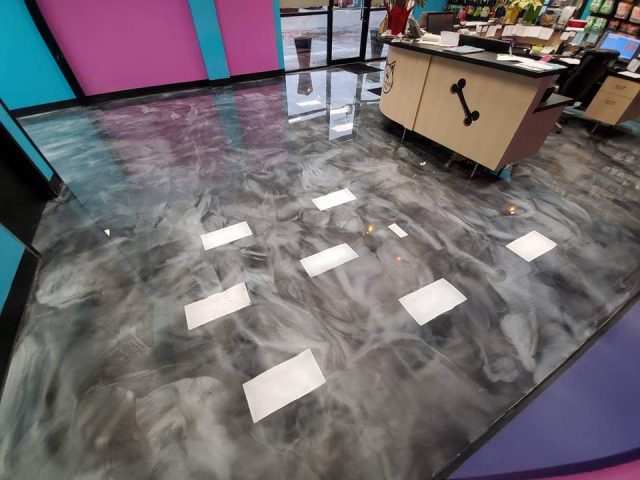
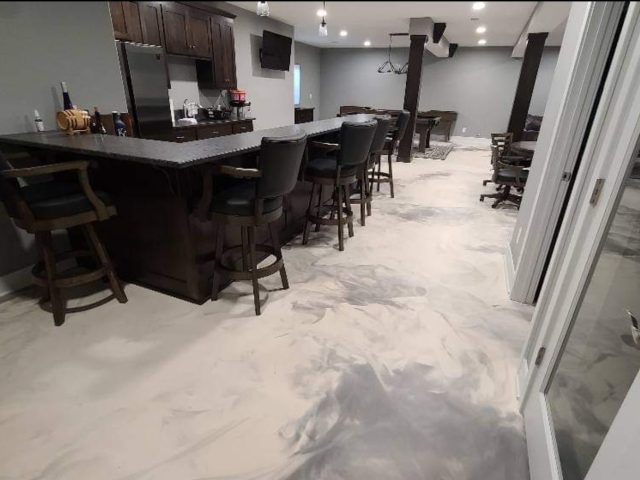
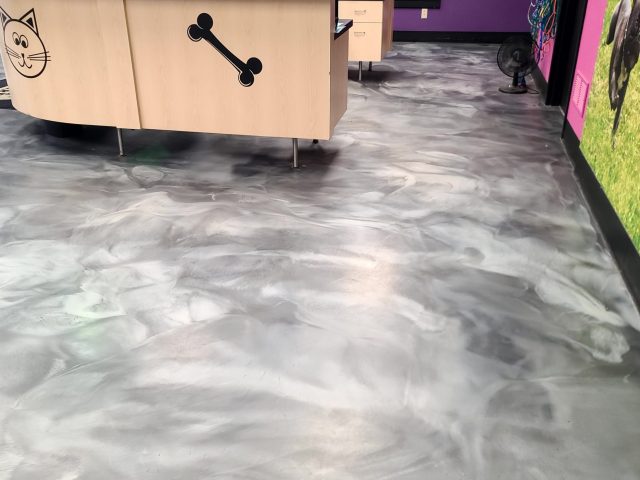
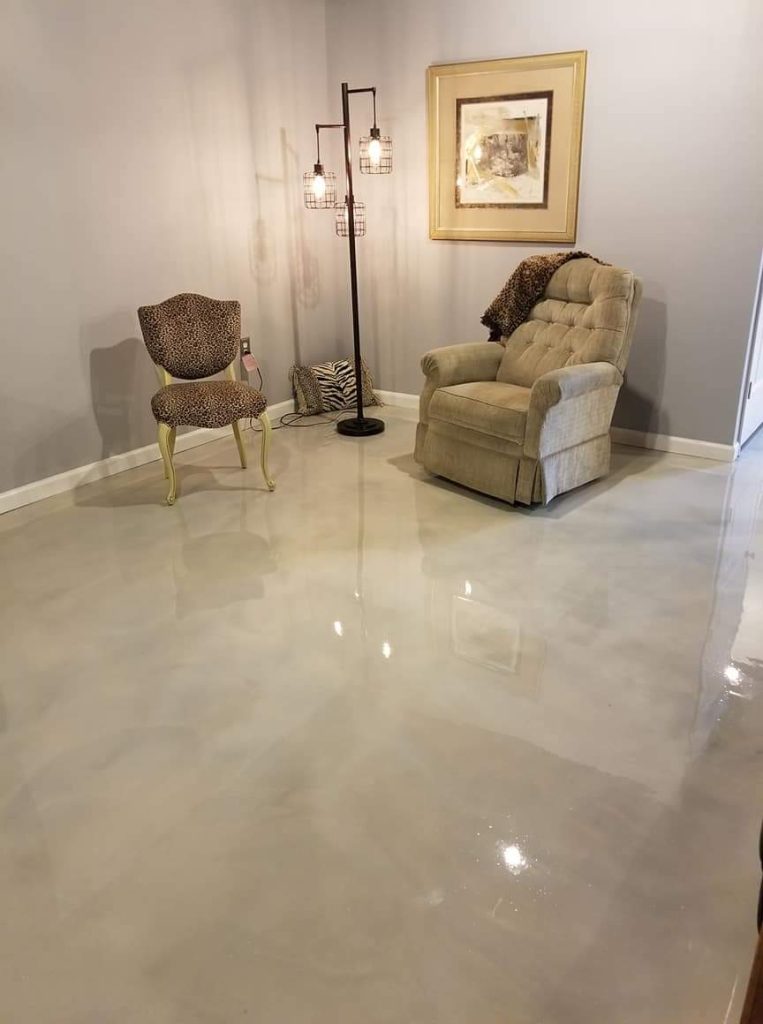
Metallic Epoxy
- Stunning, high-gloss, 3D visual effects
- Resembles marble, stone, water, clouds, or lava
- Unique swirls and artistic movement
- No two floors look the same
- Perfect for luxury spaces, basements, showrooms, and modern homes
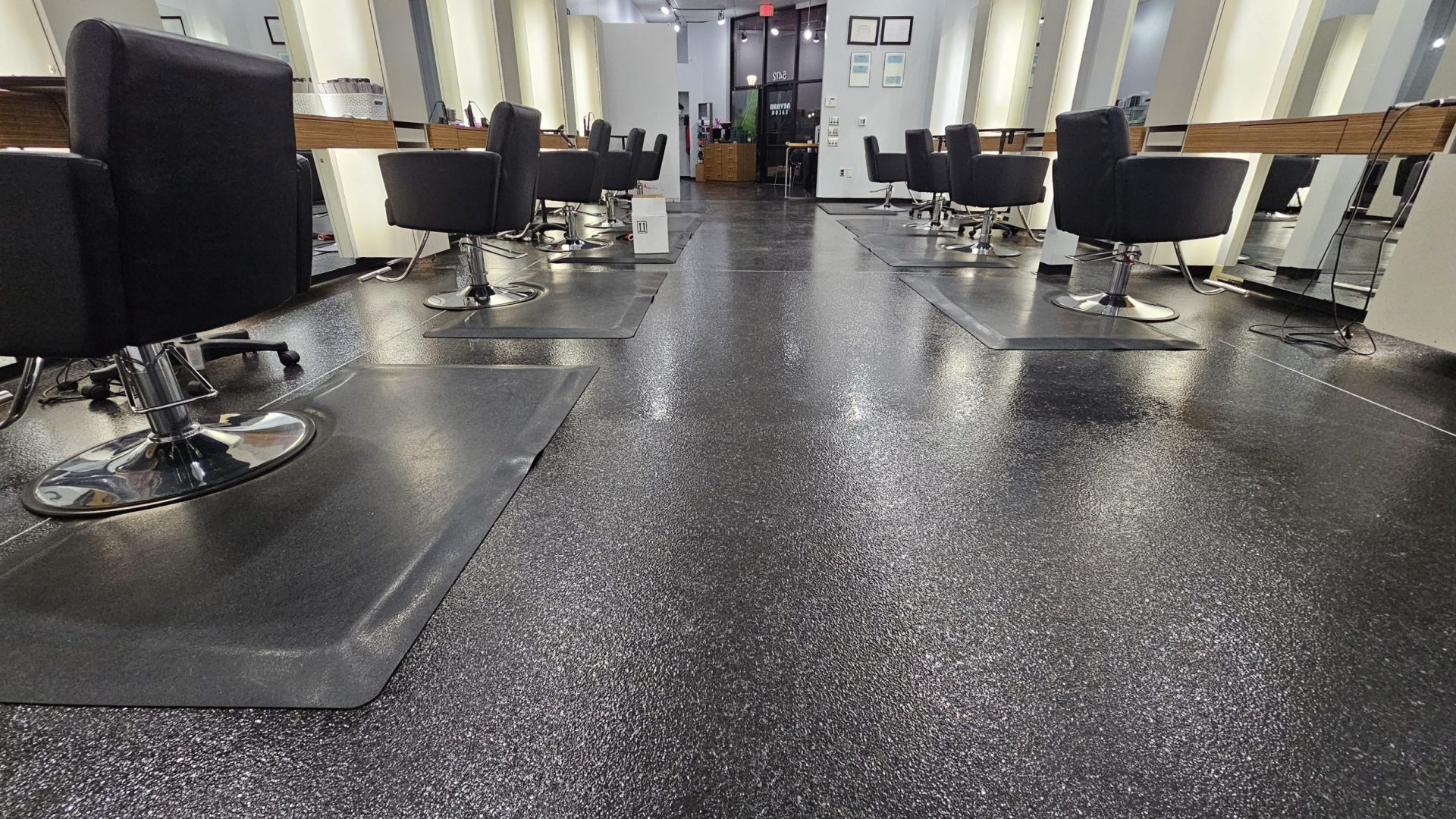
Standard Epoxy (Solid Color or Flake System)
- Clean, uniform appearance
- Slips-resistant options with vinyl flakes
- Available in many colors but with fewer artistic patterns
- Professional, durable look ideal for garages, warehouses, offices, or commercial spaces
Verdict:
Choose metallic if you want a decorative, high-end finish.
Choose standard if you want a clean, functional, and durable surface.
⭐ 2. Durability: Similar Strength, Different Protection Levels
Both metallic and standard epoxy floors are extremely durable, but the build differs slightly.
Metallic Epoxy
- Thick, multi-layer decorative system
- Excellent resistance to scratches, moisture, and chemicals
- Best for indoor residential and commercial environments
Standard Epoxy
- Strong, industrial-grade system
- Often paired with polyaspartic topcoats for superior UV stability
- Flake systems add additional strength and texture
- Great for high-traffic and heavy-use environments
Verdict:
Both are durable, but standard epoxy (especially flake systems) is typically used for heavier industrial or garage settings.
⭐ 3. Traction & Slip Resistance
Metallic Epoxy
- Naturally smooth and glossy
- Can be slippery when wet
- Slip-resistant additives can be added on request
Standard Epoxy
- Flake epoxy systems naturally add texture
- More slip-resistant for garages, commercial kitchens, or outdoor areas
- Solid-color epoxy can also be modified with traction additives
Verdict:
For maximum slip resistance, flake epoxy wins.
⭐ 4. Cost Differences
Pricing can vary, but generally:
Metallic Epoxy
- More expensive
- Requires artistic skill, pigment work, and more detailed labor
- Custom designs may increase price
Standard Epoxy
- More affordable
- Faster installation
- Suitable for large spaces and budget-friendly projects
Verdict:
Choose metallic for luxury aesthetics, standard epoxy for cost-effective performance.
⭐ 5. Installation Process
Metallic Epoxy Installation
- Highly artistic application
- Involves pigment mixing, swirling techniques, and multi-layer pours
- Requires an experienced installer to achieve desired effects
Standard Epoxy Installation
- Straightforward process
- Involves basecoat, flake broadcast or solid color application, and topcoat
- Faster installation with predictable results
Verdict:
Metallic requires artistry; standard epoxy is faster and simpler to install.
⭐ 6. Best Uses for Each Flooring Type
Best Uses for Metallic Epoxy
Great for areas where aesthetics matter:
- Basements
- Living rooms
- Kitchens
- Bathrooms
- Offices
- Showrooms
- Retail spaces
- Luxury garages
Best Uses for Standard Epoxy
Ideal for functional, high-traffic environments:
- Garages
- Commercial kitchens
- Warehouses
- Factories
- Retail stores
- Auto shops
- Outdoor patios (polyaspartic-based systems)
Verdict:
Choose flooring based on your space’s function and desired visual impact.
⭐ 7. Maintenance Requirements
Both metallic and standard epoxy are easy to maintain.
Metallic Epoxy
- Requires gentle cleaning to preserve the shine
- Avoid abrasive tools
- Long-lasting with proper care
Standard Epoxy
- Extremely easy to clean
- Withstands harsh cleaners and regular scrubbing
- Ideal for messy or high-traffic environments
Verdict:
Both require low maintenance, but standard epoxy is slightly more resilient for industrial or garage settings.
⭐ 8. Longevity
When properly installed:
- Both metallic and standard epoxy can last 10–20+ years
- Polyaspartic topcoats extend longevity even further
- Proper surface prep ensures maximum lifespan
Verdict:
Both flooring systems offer excellent long-term performance.
⭐ Summary Comparison Table
| Feature | Metallic Epoxy | Standard Epoxy (Solid or Flake) |
|---|---|---|
| Appearance | Artistic, marble-like, high-gloss | Clean, uniform, functional |
| Durability | Excellent | Excellent, slightly better for heavy-use |
| Slip Resistance | Moderate (additives available) | High (especially flake systems) |
| Cost | Higher | More affordable |
| Installation | Artistic, detailed | Fast, straightforward |
| Maintenance | Low | Low |
| Best For | Luxury Interiors | Garages & Commercial Spaces |
⭐ Which Epoxy Floor Is Right for You?
Choose Metallic Epoxy if you want:
✨ Artistic, luxurious, one-of-a-kind designs
✨ A show-stopping floor for your home or office
✨ High-end modern appeal
Choose Standard Epoxy if you want:
💪 Maximum durability and slip resistance
💪 A clean, functional surface for garages or commercial environments
💪 A budget-friendly flooring upgrade
⭐ Why Choose High Stakes Epoxy LLC?
Whether you prefer metallic or standard epoxy, our team delivers:
✔ Professional concrete preparation
✔ Premium epoxy and polyaspartic systems
✔ Custom color and design consultations
✔ Fast, reliable installation
✔ Floors built to last 10–20+ years
Your vision + our craftsmanship = stunning results.
⭐ Ready to Transform Your Space?
📞 Contact High Stakes Epoxy LLC today for a free flooring consultation!
Let’s help you choose the perfect epoxy system for your home or business.